

Hey there, fellow roofers and DIY enthusiasts! I'm a supplier of Hook Blades for Shingles, and I've been getting a lot of questions lately about the safety of these blades for roof structures. So, I thought I'd take a moment to share some insights and clear up any concerns you might have.
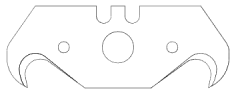

First off, let's talk about what hook blades for shingles are. These are specialized blades designed for cutting and shaping shingles during roofing projects. They have a unique hook shape that allows for precise cuts and easy handling, making them a popular choice among professionals and homeowners alike. You can check out our Hook Blades for Shingles on our website to see the different options we offer.
Now, the big question: Are hook blades for shingles safe for the roof structure? The short answer is yes, when used correctly. But like any tool, there are some important factors to consider to ensure you're not causing any damage to your roof.
How Hook Blades Work and Their Safety Features
Hook blades are engineered to make clean, accurate cuts on shingles without causing excessive stress to the surrounding roofing materials. The hook design helps to guide the blade along the shingle, reducing the risk of slipping and accidentally cutting into the underlying roof deck.
Most high - quality hook blades, like our Hook Razor Blade, are made from durable materials that can withstand the rigors of cutting through asphalt, fiberglass, or other common shingle materials. This means they won't dull quickly, which is important because a dull blade can tear the shingles rather than cut them cleanly, potentially leading to damage.
Proper Usage for Safety
One of the key factors in ensuring the safety of your roof when using hook blades is proper technique. Here are some tips:
- Mark Your Cuts: Before you start cutting, use a straightedge and a pencil to mark the area you want to cut. This will help you stay on track and make more accurate cuts, reducing the chances of accidentally cutting into the wrong part of the shingle or the roof structure.
- Use the Right Pressure: Apply just enough pressure to cut through the shingle without forcing the blade. If you push too hard, you might cause the blade to penetrate deeper than intended and damage the roof deck. A gentle, steady motion is usually all you need.
- Keep the Blade Sharp: As I mentioned earlier, a sharp blade is essential for clean cuts. Replace the blade regularly, especially if you notice it starting to dull. Dull blades can cause jagged cuts and increase the risk of damage.
Potential Risks and How to Avoid Them
Of course, there are some potential risks associated with using hook blades, but they can be easily avoided with proper precautions.
- Accidental Punctures: If you're not careful, the blade could puncture the roof deck. This is more likely to happen if you're cutting too close to the edge of the shingle or if you're using excessive force. To avoid this, always be aware of the blade's position and keep a safe distance from the roof deck.
- Damage to Adjacent Shingles: When cutting shingles, there's a risk of damaging the neighboring shingles. To prevent this, use a piece of scrap shingle or a thin board as a buffer between the blade and the adjacent shingles.
Benefits of Using Hook Blades for Shingles
Despite the potential risks, there are many benefits to using hook blades that make them a safe and valuable tool for roofing projects.
- Efficiency: Hook blades allow you to make quick, precise cuts, which can save you a lot of time during a roofing project. This means less time on the roof, reducing the overall wear and tear on the roof structure.
- Precision: The hook design gives you better control over the cutting process, resulting in more accurate cuts. This is especially important when you're working on complex roofing designs or need to fit shingles around vents, chimneys, or other obstacles.
Comparing Hook Blades to Other Cutting Tools
There are other tools available for cutting shingles, such as utility knives or circular saws. While these tools can be effective, hook blades have some advantages in terms of safety.
- Less Risk of Kickback: Circular saws can be dangerous due to the risk of kickback, which can cause serious injury and damage to the roof. Hook blades, on the other hand, are much more stable and less likely to cause sudden, unexpected movements.
- Greater Control: Utility knives can be difficult to control, especially when making long or curved cuts. Hook blades provide better guidance and control, making them a safer option for most roofing applications.
Customer Experiences and Testimonials
Over the years, we've received a lot of positive feedback from our customers about the safety and performance of our Hook Blades for Roofing. Many of them have shared stories about how these blades have made their roofing projects easier and more efficient, without causing any damage to their roof structures.
One customer, John, said, "I was really worried about damaging my new roof when I started my roofing project. But the hook blades you provided were amazing. They made clean cuts, and I didn't have to worry about accidentally cutting into the roof deck. I'll definitely be using them again."
Conclusion
In conclusion, hook blades for shingles are a safe and effective tool for roofing projects when used correctly. By following the proper techniques and taking the necessary precautions, you can use these blades to make precise cuts without causing any damage to your roof structure.
If you're in the market for high - quality hook blades for your next roofing project, I encourage you to check out our range of products. We're committed to providing the best tools for our customers, and we're always happy to answer any questions you might have. Whether you're a professional roofer or a DIY enthusiast, our hook blades can help you get the job done safely and efficiently.
If you're interested in purchasing our Hook Blades for Shingles, feel free to reach out to us for more information and to start a procurement discussion. We're here to help you make the right choice for your roofing needs.
References
- Roofing Contractor's Handbook: A Guide to Safe and Efficient Roofing Practices
- Manufacturer's guidelines for hook blade usage and safety


