

Are Hook Blades for Roofing Suitable for Pitched Roofs?
As a supplier of Hook Blades for Roofing, I've been involved in the roofing industry for quite some time. One question that frequently comes up from contractors and DIY enthusiasts alike is whether hook blades for roofing are suitable for pitched roofs. In this blog post, I'll delve into the details to provide a comprehensive answer.
Understanding Pitched Roofs
Pitched roofs are a common architectural feature, characterized by their sloping design. The pitch of a roof is measured by the angle or slope, typically expressed as a ratio of vertical rise to horizontal run. Pitched roofs are popular for several reasons. They allow for efficient water drainage, which helps prevent water pooling and potential leaks. They also provide additional attic space, which can be used for storage or converted into living areas.
However, working on pitched roofs presents unique challenges. The slope makes it difficult to move around safely, and tools need to be carefully selected to ensure they can be used effectively and securely on the incline.
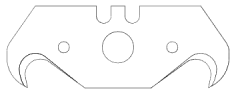

Features of Hook Blades for Roofing
Hook blades for roofing are specifically designed for use in roofing applications. They have a distinctive hooked shape, which offers several advantages. The hook allows for easy cutting of roofing materials such as shingles, felt, and membranes. It can be used to make precise cuts, especially when working around edges and corners.
These blades are typically made from high - quality steel, which provides durability and sharpness. They are often coated to resist corrosion, ensuring a long service life even in harsh weather conditions. Hook Blade Box Cutter models are also available, which combine the hook blade with a convenient cutting tool, making it easier to handle and store.
Suitability for Pitched Roofs
- Safety
Safety is of utmost importance when working on pitched roofs. Hook blades can contribute to a safer working environment. The hooked shape provides better control during cutting operations. When standing on a sloped surface, it can be challenging to maintain a steady hand. The hook blade's design allows the user to anchor the blade against the roofing material, reducing the risk of the blade slipping and causing injury.
For example, when cutting shingles on a pitched roof, the hook can be placed under the shingle edge, providing a stable base for cutting. This is particularly useful when working on steeper pitches, where the risk of slipping is higher.
2. Ease of Use
On pitched roofs, ease of use is crucial. Hook blades are relatively easy to handle, even in awkward positions. The hook allows for one - handed operation in many cases, which is beneficial when the user needs to maintain balance on the slope.
Contractors can quickly make cuts while moving along the roof, without having to constantly reposition the blade. This saves time and effort, increasing overall productivity. For instance, when installing a new layer of roofing felt on a pitched roof, the hook blade can be used to cut the felt to the appropriate length and width as the installer moves up the slope.
3. Cutting Performance
The cutting performance of hook blades is well - suited for pitched roofs. They can make clean and precise cuts through various roofing materials. The hook design enables the blade to cut through thick materials more effectively than traditional straight blades.
When working on pitched roofs, it's common to encounter overlapping shingles or multiple layers of roofing materials. The hook blade can easily penetrate these layers and make accurate cuts, ensuring a proper fit and a watertight seal. For example, when trimming the edges of shingles to fit around roof vents or chimneys on a pitched roof, the hook blade can make sharp, clean cuts without damaging the surrounding materials.
4. Durability
Pitched roofs are exposed to the elements, including wind, rain, and sunlight. Hook blades are built to withstand these conditions. The high - quality steel construction and corrosion - resistant coatings ensure that the blades remain sharp and functional over time.
This durability is essential on pitched roofs, as it reduces the need for frequent blade replacements. Contractors can rely on the hook blades to perform consistently throughout the roofing project, even in adverse weather conditions. For example, in areas with heavy rainfall, the blades will not rust or dull quickly, allowing for continuous and efficient cutting.
Considerations and Limitations
While hook blades for roofing are generally suitable for pitched roofs, there are some considerations.
- Blade Selection
Not all hook blades are created equal. For pitched roofs, it's important to choose the right blade for the specific roofing material. Heavy Duty Hook Blades may be required for thicker materials such as rubber membranes or slate shingles. Using a blade that is too thin or not strong enough can result in poor cutting performance and premature blade wear. - Skill Level
Although hook blades are relatively easy to use, some skill is required to operate them safely and effectively on pitched roofs. Inexperienced users may need some practice to master the technique of using the hook blade on a sloped surface. It's important to receive proper training before using hook blades on pitched roofs to avoid accidents. - Roof Pitch
Extremely steep pitched roofs may present additional challenges. On very steep slopes, it may be more difficult to maintain control of the blade, even with the hook design. In such cases, additional safety measures such as using a safety harness and working with a partner may be necessary.
Conclusion
In conclusion, hook blades for roofing are generally well - suited for pitched roofs. Their safety features, ease of use, cutting performance, and durability make them a popular choice among roofing contractors and DIYers. However, it's important to select the right blade for the job, have the necessary skills, and take appropriate safety precautions.
If you're in the market for high - quality hook blades for your pitched roof projects, I encourage you to explore our range of Hook Blades for Roofing. We offer a variety of options to meet your specific needs. Whether you're a professional contractor or a DIY enthusiast, our hook blades can help you achieve a successful roofing installation.
If you have any questions about our products or would like to discuss your procurement requirements, please don't hesitate to contact us. We're here to provide you with the best solutions for your roofing projects.
References
- "Roofing Materials and Installation Guide" - Industry publication on roofing techniques and materials.
- "Safety in Roofing Work" - A handbook on safety practices in the roofing industry.


